
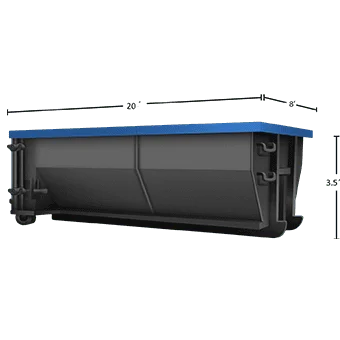
A container brought to the loading location
A roll-off rental places a removable debris container at the agreed property position for loading, then collects it through an arranged vehicle visit. The required handling space is not just the container’s footprint. Describe the receiving approach and proposed position when requesting the service.
Explain whether material is already waiting or accumulates as work continues. Ask about the offered loading access and the conditions for the contents. A usable loading arrangement should keep doors or other model-specific access working as instructed, without treating open space above the load as extra capacity.
Confirm the material stream
Identify bulky items, dense debris and any mixed materials before choosing the container. Ask what the provider accepts and how weight or loading limits apply to that specific offer. Keep uncertain or hazardous items separate until their handling is established.
Livonia distinguishes resident household disposal and small building-debris drop-off from remodeling waste arrangements, and has a separate resident hazardous-waste/electronics program. Those programs are not blanket acceptance of a contractor’s roll-off load. Confirm the disposal conditions for the actual rental.
Coordinate collection before access disappears
Tell us the address, requested period and receiving conditions. Maintain the space needed for the container and handling vehicle, including when the work is nearing completion. Discuss property or public-space requirements for the actual proposed position.
Ask how pickup, extra time or a further container would be arranged. Review the offer’s equipment, loading conditions and service inclusions before confirming. Use the Dumpster Rental option in Get a Quote to keep the enquiry focused on the debris-removal service.